Mental Health and Wellbeing
Migrant Stress and Loneliness in Australia: Support for Chinese Australians
Tsewang Foundation · Australia (support services focus on Victoria) · Updated 12 November 2026
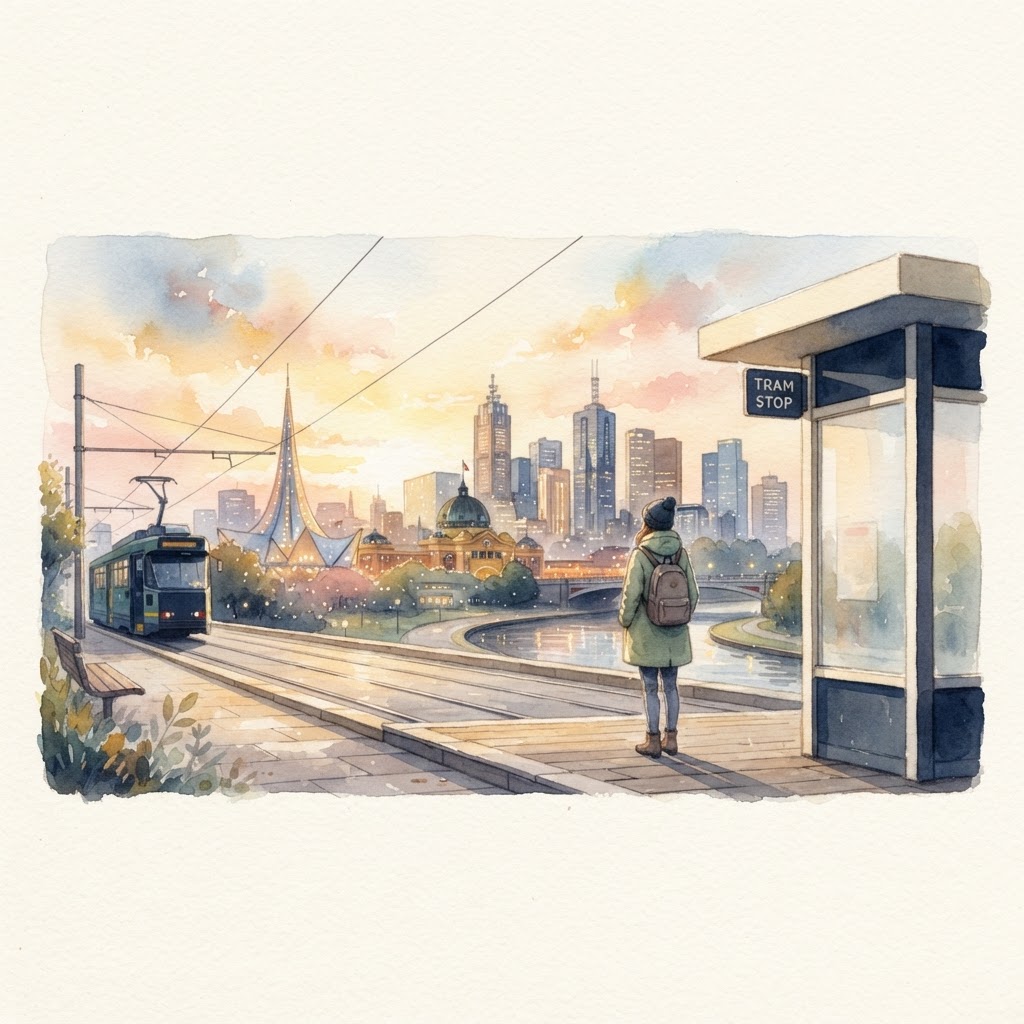
Why So Many Chinese Migrants Feel Stressed and Lonely in Australia
Moving to a new country takes courage. But even after the paperwork is done and a routine begins to form, many Chinese migrants — students, skilled workers, new permanent residents, and long-term settlers alike — carry a quiet weight that is hard to explain to those who have not lived it.
That weight often includes:
- Worrying about visa conditions or work rights
- Feeling cut off from parents, siblings, or close friends back home
- Struggling to communicate clearly in English at work, with neighbours, or at appointments
- Feeling pressure to appear strong and capable, even when exhausted
- Sensing that asking for help is shameful or a sign of failure
If any of this sounds familiar, you are not alone — and there is nothing wrong with you.
The Stigma Around Mental Health in Chinese Communities
In many Chinese families, emotional pain is managed privately. Talking about anxiety, loneliness, or low mood with a stranger — or even a doctor — can feel deeply uncomfortable. There can be fear of being judged, of worrying parents back home, or of appearing unstable to employers or immigration authorities.
This silence is understandable, but it can make stress worse over time. Acknowledging that something is hard is not weakness. It is an honest response to genuinely difficult circumstances.
If language is a barrier to seeking help, TIS National (phone 131 450) offers free, immediate phone interpreting 24 hours a day, every day. You can call any service and ask for a Mandarin or Cantonese interpreter — including when calling a doctor, a mental health line, or a government office.
A Buddhist Perspective: Difficulty Does Not Last Forever
The Nyingma tradition of Tibetan Buddhism, which informs the work of Tsewang Foundation, teaches that all conditioned experience — including painful experience — is impermanent. Hardship is real, but it is not fixed or permanent. This is not a reason to push feelings away. It is an invitation to meet them with patience and without panic.
Buddhist practice also emphasises that human beings are deeply interconnected. Isolation and loneliness arise partly because we lose sight of that connection. Coming together with others — in shared practice, in community, in simple acts of kindness — is itself a form of healing.
This does not mean practice replaces professional care. When someone is experiencing significant distress, clinical support matters. Both can coexist.
You are welcome to join public practice at Tsewang Foundation's centre in Burwood East, Melbourne. See Tsewang Foundation events and practice times for current sessions. The monthly Amitabha practice is a gentle entry point for those new to the centre.
Practical Steps to Ease Loneliness and Stress
Small, consistent actions can gradually shift how isolated you feel. Here is a simple starting checklist:
- Name what you are feeling. Even writing it down privately — 'I am lonely today' or 'I feel overwhelmed' — creates a small distance between you and the feeling.
- Keep one regular routine each day. A walk, a meal at a set time, or a few minutes of quiet breathing. Routine signals safety to a stressed nervous system.
- Find one point of connection each week. A community group, a practice session, a phone call with family, or a translated online resource such as those available through Embrace Multicultural Mental Health.
- Use an interpreter if language is a barrier. Call TIS National on 131 450 before any appointment to arrange support.
- Speak with your GP. A GP can listen, refer you to a mental health professional, and may arrange a Mental Health Treatment Plan that covers sessions with a psychologist at a reduced cost.
If You Are Struggling and Need to Talk
The following free services are available in Australia:
- Beyond Blue — phone 1300 22 4636. Free, confidential support by phone or webchat for anxiety, depression, and emotional distress. Available any time.
- Medicare Mental Health — phone 1800 595 212. Free phone service, 8:30am–5pm on weekdays (except public holidays). Staff can help you find suitable mental health services near you.
- TIS National — phone 131 450. Immediate interpreting in Mandarin, Cantonese, and many other languages, 24 hours a day, every day.
- Embrace Multicultural Mental Health — provides translated mental health resources and links to services for multicultural communities across Australia.
If you or someone you know is in immediate danger, call 000.
Tsewang Foundation is a Buddhist practice and education centre, not a counselling, crisis, or medical service. We warmly encourage anyone experiencing significant distress to reach out to a qualified professional. You can also contact Tsewang Foundation with general questions about our community.
Frequently asked questions
What free mental health support is available for Chinese migrants in Australia?
Beyond Blue (1300 22 4636) offers free, confidential phone and webchat support for anxiety and depression at any time. Medicare Mental Health (1800 595 212) can connect you with suitable services on weekdays from 8:30am to 5pm. TIS National (131 450) provides free Mandarin and Cantonese interpreting 24 hours a day if language is a barrier.
Is loneliness common among Chinese migrants in Melbourne?
Yes, loneliness and social isolation are very common for migrants of all backgrounds, including Chinese Australians in Melbourne. Factors such as distance from family, language barriers, and work or visa pressure all contribute. Connecting with community groups, using translated resources, and speaking with a GP or counsellor can help.
How does Buddhism view loneliness and emotional suffering?
Mahayana Buddhist teachings describe difficult emotions, including loneliness, as impermanent — real experiences that arise and pass rather than fixed conditions. The tradition also emphasises the importance of community and compassion as a source of healing and connection. Buddhist practice is seen as a support alongside, not a replacement for, professional care.
About Tsewang Foundation
Tsewang Foundation was founded in 2023 by Chagkhung Khenpo Tsewang Rinpoche and is registered in Australia. Rooted in the Nyingma tradition of Tibetan Buddhism and the Dzogchen lineage of H.H. Jigme Phuntsok, it works to support community wellbeing through the Buddha's wisdom and compassion. The Foundation holds public Buddhist practice and meditation sessions at its centre in Burwood East, Melbourne (5-7 Sevenoaks Rd, Burwood East VIC 3151); please check the Events page for times and how to join, and see About us for Rinpoche and the lineage.
Where this applies
Australia (support services focus on Victoria)
Official and original sources
- Embrace Multicultural Mental Health — checked 12 November 2026
- Beyond Blue – Talk to a counsellor — checked 12 November 2026
- TIS National – Phone interpreter service — checked 12 November 2026
- Australian Government – Medicare Mental Health — checked 12 November 2026
Last updated: 12 November 2026
Related content
- Can't Stop Worrying? Buddhist Meditation for Anxiety and Mental Health Support in Melbourne
- Sleep Meditation for a Restless Mind: Gentle Buddhist Practices at Bedtime
- Self-Compassion and Buddhism: Easing Perfectionism and Self-Criticism
- Youth Mental Health Support in Melbourne: Help for Young People and Families
- How to Get Mental Health Help in Australia: A Step-by-Step Guide
- How to Deal with Anger: Buddhism, Patience and Daily Life
- Having Thoughts of Suicide? Where to Get Help in Australia
- Loving-Kindness Meditation: A Step-by-Step Guide for Beginners
- Depression and Buddhism: Knowing When to Seek Professional Help
- Can't Stop Worrying? Buddhist Meditation for Anxiety and Mental Health Support in Melbourne
- Tsewang Foundation public events and practice times
- Contact Tsewang Foundation in Burwood East