Grief, Loss and Impermanence
Coping with Grief After a Loss: A Buddhist View of Impermanence and Grief Support in Melbourne
Tsewang Foundation · Australia (support services focus on Victoria) · Updated 12 November 2026
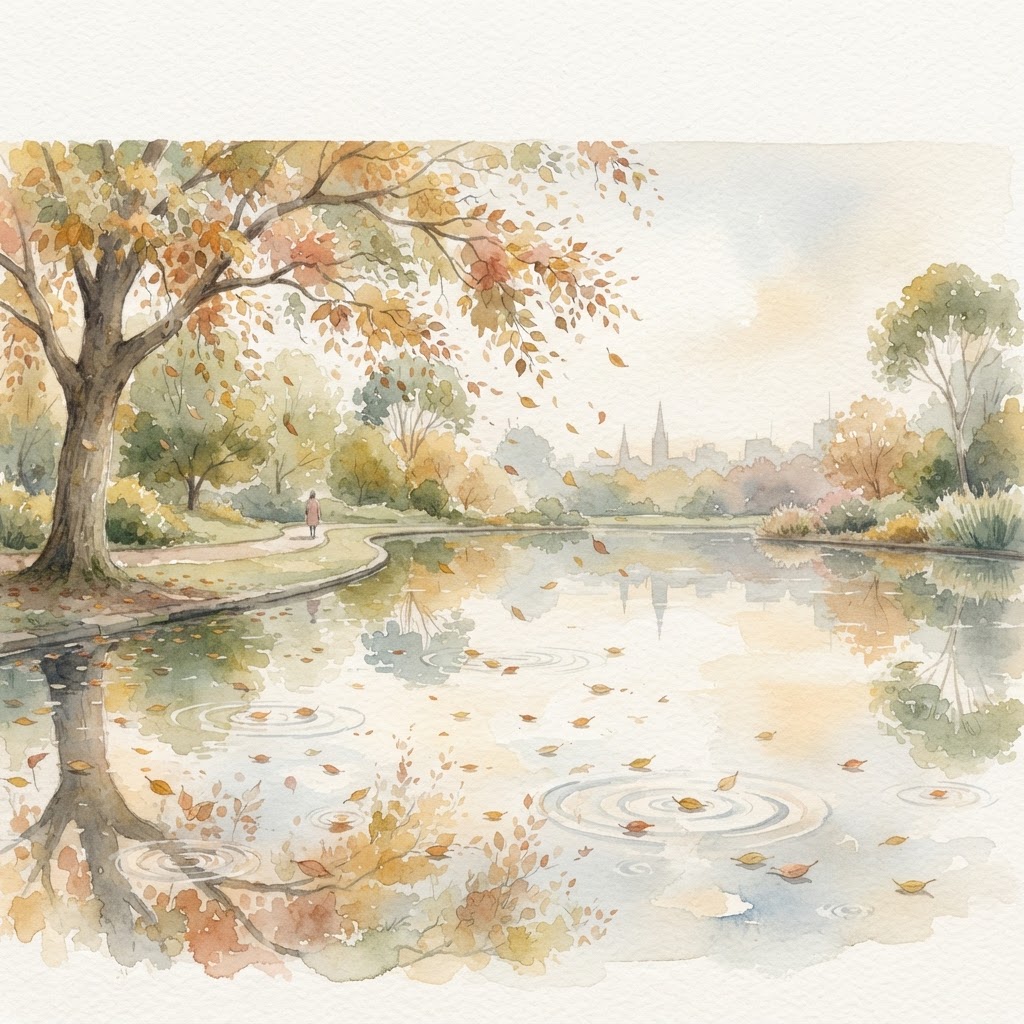
What grief can feel like
The Better Health Channel explains that grief can affect a person's thoughts, feelings, behaviours, beliefs, physical health and relationships. Many people feel sadness, anger, anxiety, fear or numbness. Grief can feel like a storm that seems to pass and then returns unexpectedly.
All of this is common. Everyone grieves in their own way; there is no need to compare yourself with others and no deadline for "moving on".
How Buddhism understands impermanence
Verse 277 of the Dhammapada says: "All conditioned things are impermanent." The Mahayana Mahaparinirvana Sutra has a well-known verse: "All conditioned things are impermanent; they arise and pass away. When arising and passing away have ceased, that stillness is bliss." In the Nyingma path, the impermanence of life is one of the four thoughts that turn the mind towards the Dharma, and Patrul Rinpoche gives it a whole chapter in The Words of My Perfect Teacher, reminding us to treasure the present and the people around us. From a Buddhist perspective:
- Impermanence does not mean we should not grieve. We hurt because we loved. Sadness is not a failure of practice.
- Grief is impermanent too. Even the strongest pain changes with time and conditions, even if that is hard to feel now.
- Love and good wishes can continue. Many Buddhists remember loved ones through chanting, dedicating merit or acts of kindness, as one way of expressing connection.
This is offered as a Buddhist perspective for readers who find it helpful.
Looking after yourself day to day
- Allow yourself to cry and rest, and also to have moments of calm or even laughter;
- keep to basic meals and sleep as much as you can;
- talk with family, friends or a faith community you trust;
- if big decisions (such as moving house or major finances) can wait, consider giving yourself time.
Reciting and dedicating merit for a loved one who has died
In both Chinese and Tibetan Buddhist traditions, the 49 days after a death (the bardo, or intermediate state) are seen as an important time to recite prayers and dedicate merit for the person. Family members can:
- recite the name of Amitabha Buddha or his mantra "Om Ami Dewa Hrih" and dedicate the merit to their loved one;
- recite the Dewachen Prayer encouraged by H.H. Jigme Phuntsok, aspiring for their loved one's rebirth in Dewachen, the pure land of Amitabha;
- join Tsewang Foundation's monthly Amitabha practice on the 15th day of the Tibetan lunar month and dedicate the merit together with others.
These practices are a way to express love and good wishes and can help the family's minds settle, but they do not replace professional grief support.
When to seek professional support
The Better Health Channel reminds us that it's okay to admit you are struggling, and no-one will think less of you for asking for help. You can contact:
- Your GP or local community health centre;
- Griefline: national free grief helpline 1300 845 745 (its website lists phone support from 10 am to 8 pm, Monday to Friday, AEST/AEDT);
- Lifeline: crisis support and suicide prevention 13 11 14 (24 hours, 7 days);
- NURSE-ON-CALL (Victoria): 1300 60 60 24 for 24-hour health advice.
If you or someone near you is in immediate danger, call 000. Buddhist study, meditation or ceremonies can offer spiritual companionship, but they do not replace a doctor or professional counselling.
Frequently asked questions
How long does grief last?
There is no set timeframe. The Better Health Channel notes that everyone grieves in their own way, not necessarily in fixed stages. If grief makes everyday life hard for a long time, please see your GP.
How do Buddhists make merit for someone who has died?
Common practices include reciting the Buddha's name and sutras, dedicating merit to the person, and doing good deeds in their name. In the Nyingma tradition, reciting Amitabha's name and the Dewachen Prayer is especially common.
Is grief support available in Chinese in Melbourne?
You can ask your GP for a referral and whether an interpreter or a Chinese-speaking counsellor can be arranged. Griefline (1300 845 745) and Lifeline (13 11 14) also offer phone support.
About Tsewang Foundation
Tsewang Foundation was founded in 2023 by Chagkhung Khenpo Tsewang Rinpoche and is registered in Australia. Rooted in the Nyingma tradition of Tibetan Buddhism and the Dzogchen lineage of H.H. Jigme Phuntsok, it works to support community wellbeing through the Buddha's wisdom and compassion. The Foundation holds public Buddhist practice and meditation sessions at its centre in Burwood East, Melbourne (5-7 Sevenoaks Rd, Burwood East VIC 3151); please check the Events page for times and how to join, and see About us for Rinpoche and the lineage.
Where this applies
Australia (support services focus on Victoria)
Official and original sources
- Better Health Channel (Victorian Government) – Grief — checked 11 November 2026
- Lifeline Australia — checked 11 November 2026
- Griefline — checked 12 November 2026
- Dhammapada, Chapter 20, verse 277 (tr. Acharya Buddharakkhita, Access to Insight) — checked 11 November 2026
- 《大般涅槃经》(北本,CBETA T0374)/ Mahāparinirvāṇa Sūtra — checked 12 November 2026
- 华智仁波切《普贤上师言教》/ Patrul Rinpoche, The Words of My Perfect Teacher — checked 12 November 2026
Last updated: 12 November 2026
Related content
- How the Heart Sutra Can Help with Loss: Letting Go Is Not Forgetting
- Pregnancy Loss and Baby Loss Support: Your Grief Is Valid
- Grief After Losing Someone to Suicide: Support for Families and Friends
- Guilt After the Death of a Loved One: A Buddhist View of Regret
- Helping Children Cope with Grief: A Guide for Buddhist Families
- Grieving a Beloved Pet: A Buddhist Perspective on Pet Loss
- The 49 Days After Death: Buddhist Prayers and Dedication for a Loved One
- Grief After Losing a Spouse: Support for Older People in Australia
- Grief Anniversaries and Holidays: Caring for Yourself on the Days You Miss Them Most
- Monthly Amitabha Practice (15th day of the Tibetan lunar month)
- Tsewang Foundation public events and practice times
- Contact Tsewang Foundation in Burwood East